
Engineering covers practical workshop roles, automated systems and software-led work. A CNC machinist might be setting up computer-controlled equipment to cut a part within a tight tolerance. A robotics engineer could be designing an automated machine for manufacturing, aerospace or healthcare. An AI engineer may write the software and algorithms that help a computer or robot learn a task and improve how it performs.
These jobs are different, but the boundaries are not always neat. CNC equipment depends on digital instructions, while robotics roles require engineering science and programming. Artificial intelligence can also be used to programme robotic systems and optimise factory production.
Across these fields, employers look for practical engineering knowledge, maths, digital skills and problem-solving.
This guide compares the main routes into CNC machining, robotics and AI engineering. It covers apprenticeships, college courses, university study, short courses and Skills Bootcamps, along with typical entry requirements, funding, pay and career progression.
Skills England estimates that 25 priority occupations in advanced manufacturing, mostly engineers, technicians and machine operatives, will create demand for around 148,000 additional and replacement workers between 2025 and 2035.
Table of Contents
What do CNC, robotics and AI mean in engineering?
The terms are often grouped together under modern or advanced manufacturing, but they describe different types of work.
CNC machining
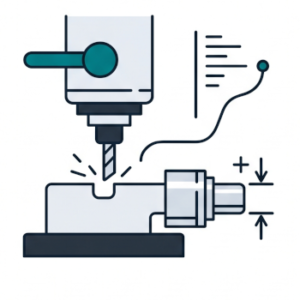
CNC stands for Computer Numerical Control. CNC machining uses programmed equipment such as lathes, mills and grinders to produce precision parts.
A CNC machinist, sometimes called a machining technician, sets up and operates this equipment. The work involves cutting parts, checking measurements and making sure each part meets the required tolerance.

Robotics engineering
Robotics engineers design and build automated machines. These systems can carry out tasks in manufacturing, aerospace, healthcare and other industries.
The role requires maths, engineering science and programming ability. Some apprenticeship routes also focus on control systems.

AI engineering
Artificial intelligence engineers develop software and algorithms that allow computers or robots to learn tasks and improve over time.
AI can connect directly with physical engineering. An AI engineer might, for example, programme a robotic system to improve factory production.
Why advanced manufacturing skills are in demand
Skills England identifies 25 priority occupations across advanced manufacturing. Together, these occupations are projected to create demand for around 148,000 additional and replacement workers between 2025 and 2035.
Many of the roles are already classed as being in critical demand, which points to a shortage of qualified candidates. The assessment also reports that 84% of new jobs in advanced manufacturing will require a Level 4 qualification or above, such as an HNC, foundation degree or higher qualification.
These projections are not guaranteed vacancies. They do, however, show why technical qualifications and practical experience matter for anyone planning a career in the sector.
Skills you need for CNC, robotics and AI careers
The balance changes from one role to another. CNC machining is strongly practical, while robotics and AI roles require maths, engineering science and programming ability. Several skills appear across all three fields.
Manufacturing and engineering knowledge
For CNC roles, engineering knowledge includes production processes, engineering drawings and machine tools. Robotics and AI engineers also need maths, engineering science and programming ability.

Digital and technical skills
Modern engineering relies on software. Depending on the job, you may use CAD or CAM software, CNC controls, programming languages, digital measurement tools or machine learning systems.
The National Careers Service notes that CNC machinists need to use, maintain and inspect machines as well as understand machining processes.
Maths and problem-solving
Measurements, calculations and tolerances are part of CNC work. Robotics and AI engineers also require strong maths.
Problem-solving helps engineers and technicians set up processes and troubleshoot issues.
Accuracy and safe working
CNC machinists need to measure parts accurately, pay close attention to detail and follow health and safety rules.
Because machines can be dangerous, safe working is a basic part of the job.
Qualification fact
Skills England reports that 84% of new advanced manufacturing jobs will require qualifications at Level 4 or above.
Route 1: Engineering apprenticeships
- Engineering apprenticeships combine paid work with structured study through a college, university or training provider. You earn a wage, learn from experienced people in the workplace and build practical experience while completing the required study and qualifications.
- This route often suits people who prefer learning by doing and want a direct connection between their training and a job.

How apprenticeship funding works
- For employers, apprenticeship training costs are heavily subsidised by the government. Non-levy-paying employers, which include most small and medium-sized businesses, currently pay 5% of the training cost. The government covers the rest up to the relevant funding cap.
- Apprenticeship training is free for apprentices aged 16 to 18, and for apprentices aged 22 to 24 who have an education, health and care plan. Training costs are covered by the state for these groups.
Non-levy employers currently pay 5% of apprenticeship training costs, with the government paying the remainder up to the funding cap.
How much engineering apprentices are paid
- Employers must pay apprentices at least the relevant National Minimum Wage.
- The current apprentice rate in the supplied research is £8.00 per hour for apprentices aged under 19, or for apprentices in the first year of their apprenticeship. In later years, apprentices aged 21 or over may qualify for the full National Living Wage, listed as about £12.71 per hour.
- A rough starting range of £6,000 to £10,000 per year, with earnings rising over time. Actual pay varies by employer and location.
Level 2 and Level 3 engineering apprenticeships
- Intermediate Level 2 and Advanced Level 3 apprenticeships build practical skills and often include UK-accredited qualifications such as NVQs.
- A Level 3 Machining Technician apprenticeship is a common route towards CNC work. Training can cover machine setup, cutting, measuring and inspection.
Higher and degree apprenticeships
- Higher and degree apprenticeships involve more advanced technical study.
- Robotics careers may use Level 6 degree apprenticeships, including routes such as Robotics Engineer or Control Systems Engineer. These programmes can take three to five years.
- AI and data apprenticeships are available from Level 4 to Level 7. Examples include AI Practitioner and Machine Learning Engineer routes, with the higher levels reaching degree-equivalent study.
Engineering apprenticeship entry requirements
- Requirements vary between employers and apprenticeship standards.
- A typical Level 3 advanced apprenticeship asks for five GCSEs at grades 9 to 4, formerly A* to C, including English and maths. Degree apprenticeships usually require A-levels or an equivalent qualification in STEM subjects, often including maths and physics.
Route 2: Engineering courses at college or university
Full-time study is another route into engineering. Options range from T Levels and BTECs for learners aged 16 to 18 to HNCs, HNDs and foundation degrees for older students.
Courses may cover mechanical engineering, electrical and electronic systems, mechatronics, programming and workshop practice. Common course titles include Advanced Manufacturing and Engineering, Mechanical Engineering and Engineering (Manufacturing). The T Level in Engineering, Manufacturing, Processing and Control is another option.
Entry requirements vary, but colleges commonly ask for GCSEs in English, maths and science.
What college study can lead to
An A-level or BTEC pathway can lead to a university degree in robotics or AI, or to a Level 4 or Level 5 apprenticeship. A vocational learner may instead apply directly for a trainee role in industry.
College courses do not pay a wage. Learners may need to cover tuition or continue living at home, although government funding is usually available for those aged under 19. Older learners may need to use loans or pay course fees.
University study usually involves fees or student loans, and students do not earn a wage from their course while studying. Graduates may later move into higher-paid roles, but a degree does not guarantee employment.
Practical training through a specialist provider
Training providers can offer classroom and workshop-based engineering courses outside the traditional full-time college route.
Elevated Knowledge offers mechanical and electrical technical skills courses suited to manufacturing. Its Machining (Milling & Turning) course teaches hands-on machine operation over several days and introduces learners and trainees to practical workshop skills.
Route 3: Short courses and Skills Bootcamps
Short courses focus on a particular skill or subject. They can be useful for testing whether a field suits you, developing an existing skill or preparing for further training.
Options include industry training modules and government-supported Skills Bootcamps. AI and machine learning bootcamps can last up to 16 weeks and may be aimed at people who already have some technical background.
Robotics and AI usually require a substantial foundation in maths, engineering or programming. An introductory coding or electronics bootcamp can be a starting point, but it is rarely the whole training route for an engineering role.
Elevated Knowledge’s Milling & Turning course provides a five-day practical introduction to machining basics.
Short courses often charge fees, although an employer or government programme may subsidise the cost. They can build skills quickly, but they do not guarantee a job.
Apprenticeship vs university, college or a short course
The best route depends on the work you want to do, how you prefer to learn and how much time you can commit.
| Route | Typical format and length | Earnings and cost | Qualifications and next steps | Often suits |
|---|---|---|---|---|
| Apprenticeship | Paid work combined with study, usually over two to five years | You earn a wage. Training is mostly funded by the employer and government | Vocational qualifications such as NVQs at Levels 2 to 4, or a BSc through a degree apprenticeship | Learners who prefer hands-on training and want workplace experience |
| College or university | Full-time study, usually one to four years | College is usually free for 16 to 18 year olds. Older learners may need fees or loans. University usually involves fees or loans and does not pay a course wage | Diplomas, HNCs, HNDs, foundation degrees, BEng or BSc qualifications | Learners who prefer classroom study or need deeper theoretical knowledge |
| Short course or bootcamp | Focused training lasting from several days to a few months | Courses may charge fees or be subsidised by an employer or government programme | A specific skill, an introduction to a field or preparation for further training | People sampling a subject or adding to existing skills |
Employers often value practical experience, but many engineering firms also look for formal qualifications. Apprenticeships and degrees are not mutually exclusive. A technician might complete an apprenticeship and study for a degree later. Someone with a degree may also move into practical training or a workplace-based route.
Career outlook, starting salaries and progression
Pay varies by role, employer and location. The supplied career profiles give the following rough salary ranges:

CNC machinists: around £25,000 at entry level and up to about £42,000 with experience.

Robotics engineers: around £31,000 at entry level, rising to about £60,000.

AI engineers: around £35,000 at entry level, rising to about £75,000.
Progression is not limited to one route. Engineering apprentices may move into supervision, quality control or software programming. Robotics and AI graduates may become project leads or specialists working in areas such as self-driving cars, space technology or healthcare robotics.
Remember: No qualification or course guarantees a job.
How to find an engineering apprenticeship or course
The Find an apprenticeship service lets you search official apprenticeship vacancies by job role and location.
Colleges and training providers publish engineering courses on their own websites. Manufacturing employers may advertise apprenticeships locally or through their careers pages. A local careers adviser can also help you compare programmes and entry requirements. Before applying, check:
- The occupation and day-to-day work covered by the programme
- The apprenticeship or qualification level
- The entry requirements
- The balance between workplace and classroom learning
- The wage, course fees or funding arrangements
- The qualification or progression route at the end
Which route fits each engineering career?
Becoming a CNC machinist
An apprenticeship or vocational course is closely matched to CNC machinist and machining technician work. A Level 3 Machining Technician apprenticeship can teach machine setup, cutting, measuring and inspection while you gain experience in the workplace.
College engineering courses and short practical machining courses can also build the basic skills needed to apply for an apprenticeship or trainee role.

Becoming a robotics engineer
Robotics engineering usually requires stronger theoretical knowledge across engineering science, maths and programming. A university degree or Level 6 degree apprenticeship is a common route.
The National Careers Service says robotics engineering entry can require two to three A-levels, usually including maths and physics. A four-year Level 6 apprenticeship is one route into the occupation.
Technician training in electronics or mechatronics may also lead to robotics-related work.

Becoming an AI engineer
AI engineering is generally a graduate-level or higher-apprenticeship career. Routes include a STEM degree or an AI and machine learning apprenticeship from Level 4 to Level 7.
Short bootcamps in AI, machine learning or coding may provide an entry point for someone who already has a technical background. Most AI and robotics engineers hold at least a bachelor’s-level education.

Frequently asked questions
What qualifications do you need for an engineering apprenticeship?
Entry requirements depend on the apprenticeship level and employer. A typical Level 3 advanced apprenticeship asks for five GCSEs at grades 9 to 4, including English and maths. Higher and degree apprenticeships usually ask for A-levels or equivalent qualifications, often in STEM subjects such as maths and physics.
Apprenticeship vs university: which is better for engineering?
Neither route is better for every learner. An apprenticeship provides paid work, practical experience and structured study. College or university usually provides more full-time academic and theoretical study. The right choice depends on the role you want, how you learn and the qualifications employers expect.
Can you study robotics or AI without a university degree?
Yes. Degree apprenticeships and vocational routes exist. A Level 6 Robotics Engineer apprenticeship can provide a route into robotics, while AI and machine learning apprenticeships are available from Level 4 to Level 7. Technician courses in electronics or mechatronics can also lead towards robotics-related work. Most AI and robotics engineers still hold at least a bachelor’s-level education.
Are engineering apprenticeships only for less academic students?
No. Apprenticeships combine workplace learning with structured study and can lead to qualifications at the same level as college or university routes. Degree apprenticeships allow learners to earn a wage while working towards a degree. Engineering employers value practical ability alongside theoretical knowledge.
How do you become a CNC machinist?
Common routes include a college engineering course or a Level 3 Machining Technician apprenticeship. Training covers areas such as machine setup, cutting, measuring and inspection. Short practical courses can introduce machining skills and help prepare someone for further training or a trainee role.
How do you become a robotics engineer?
A university degree or Level 6 degree apprenticeship is a common route. Entry may require two to three A-levels, usually including maths and physics. Electronics or mechatronics technician training may also lead to robotics-related work.
How do you become an AI engineer?
Typical routes include a STEM degree or an AI and machine learning apprenticeship at Level 4 to Level 7. AI and machine learning bootcamps can help people with an existing technical background develop specific skills, but most AI engineers hold at least a bachelor’s-level education.
How do I find an engineering apprenticeship?
Search the official Find an apprenticeship service by role and location. You can also check college websites, training-provider course pages and the careers sections of manufacturing employers. Local careers advisers can help you compare suitable options.
Sources used in this article
https://assets.publishing.service.gov.uk/media/6a3a691a30b491f55b3c4780/sna_advanced_manufacturing.pdf
Skills England – Sector Skills Needs Assessment: Advanced Manufacturing. Official analysis of the advanced manufacturing sector. Supports the projection of 148,000 additional and replacement workers by 2035, the need for numeracy, digital literacy and problem-solving, and the share of jobs requiring higher qualifications.
Published: 1 June 2026. Relevant pages: 3 to 4. Geography: UK and England. Forecasts are projections, not guaranteed jobs.
https://www.apprenticeships.gov.uk/employers/funding-an-apprenticeship-non-levy
Apprenticeships.gov.uk – Funding an apprenticeship for non-levy employers. Government guidance on apprenticeship funding. Confirms that non-levy employers pay 5% of training costs and the government pays the rest. It also states that training costs are fully covered for apprentices aged 16 to 21, or aged 22 to 24 with special support, and that apprentices must receive at least the National Minimum Wage.
Updated: 2024. Geography: England.
https://www.gov.uk/national-minimum-wage-rates
GOV.UK – National Minimum Wage and National Living Wage rates. Official list of minimum hourly pay rates. Provides the apprentice and National Living Wage rates used in the article, including £8.00 for apprentices and £12.71 for workers aged 21 or over in 2026.
Last updated: April 2026. Geography: UK.
https://nationalcareers.service.gov.uk/job-profiles/cnc-machinist
National Careers Service – CNC machinist. Describes CNC machinists as workers who make precision parts. Gives typical salaries of £25,000 for a starter and £42,000 for an experienced worker, and covers entry through college courses or apprenticeships. It also notes common qualifications, including GCSEs in English and maths. Published as a government career profile. Geography: England.
https://nationalcareers.service.gov.uk/job-profiles/robotics-engineer
National Careers Service – Robotics engineer. Describes robotics engineering work, including the design and construction of automated machines. Gives typical salaries of £31,000 to £60,000 and covers entry through degrees or Level 6 apprenticeships. Entry requirements include two to three A-levels, usually including maths and physics.
Published as a government career profile. Geography: England.
https://nationalcareers.service.gov.uk/job-profiles/artificial-intelligence-ai-engineer
National Careers Service – Artificial intelligence engineer. Describes AI engineering roles that develop machine learning programs. Gives typical salaries of £35,000 to £75,000 and covers entry through university degrees or AI and machine learning apprenticeships at Levels 4 to 7. It also mentions Skills Bootcamps in AI and machine learning for upskilling.
Published as a government career profile. Geography: England.
https://explore-education-statistics.service.gov.uk/find-statistics/apprenticeships/2024-25
Department for Education – Apprenticeships statistical release 2024/25. National statistics for apprenticeships in England. Reports 46,070 apprenticeship starts in Engineering and Manufacturing Technologies during 2024/25, slightly more than in 2023/24, and provides wider context on apprenticeship participation.
Published: 27 November 2025. Geography: England. Covers apprentices of all ages.
Last reviewed: 4 August 2026.