
Not sure which engineering or technical career is right for you? These guides explain a selection of practical roles, the work involved and the main ways people train for them in England.
You can compare careers involving electrical systems, mechanical fitting, machining, metal fabrication, welding and lift engineering. Each guide covers the role itself, possible entry routes, relevant skills, qualifications and longer-term progression.
Compare Engineering and Technical Careers
Engineering careers can involve very different types of work. Some roles are mainly electrical, some focus on mechanical systems, and others centre on manufacturing, precision machining or working with metal.
| Career | What the work commonly involves… | This route may suit you if… | Description |
 Electrician | Installing, maintaining, inspecting and testing electrical systems | You enjoy electrical problem-solving, accurate testing and working safely to technical requirements | Electricians work with electrical wiring, equipment and systems in settings such as buildings, construction projects, maintenance environments and industrial sites. The pathway can involve apprenticeships, college study and the gradual development of documented workplace competence. |
 Engineering fitter | Assembling, fitting, maintaining and adjusting mechanical parts and equipment | You like practical mechanical work, hand tools and working accurately from drawings or instructions | Engineering fitters assemble, install, maintain and repair mechanical components, equipment and systems. The work often involves hand tools, measurements, drawings and careful adjustment. |
 Lift engineer | Installing, servicing, repairing and modernising lifts and related equipment | You are interested in both electrical and mechanical systems, fault-finding and site-based work | Lift engineers work on lifts, escalators and other access equipment. Depending on the role, the work can include installation, servicing, maintenance, repair, modernisation and fault-finding across electrical and mechanical systems. |
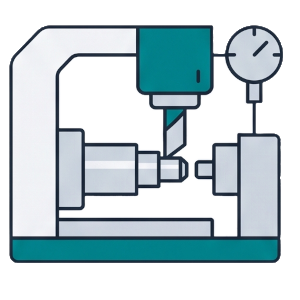 Machining technician | Setting and monitoring machines to produce accurate components | You enjoy precision, measurement, machinery and maintaining consistent production quality | Machining technicians set up, monitor and adjust machinery used to produce accurate components. This pathway may suit people interested in manufacturing, precision measurement and controlled production processes. |
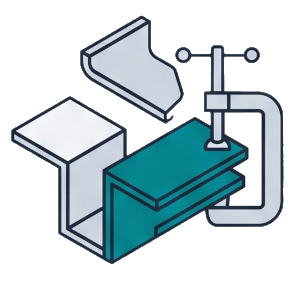 Metal fabricator | Cutting, shaping and assembling metal components and structures | You like making physical products, interpreting drawings and using fabrication tools | Metal fabricators cut, shape and assemble metal components using tools, machinery, technical drawings and fabrication methods. The work can range from individual parts to larger structures and assemblies. |
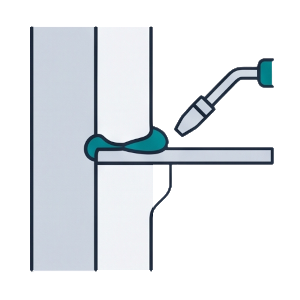 Welder | Joining and repairing metal using controlled welding processes | You enjoy focused practical work and developing a precise, repeatable manual skill | Welders join and repair metals using processes selected for the material, joint and working environment. The role requires practical control, safe working and the ability to produce consistent work to the required standard. |
Which Engineering Career Might Suit You?
You do not need to choose a role based on the job title alone. Think about the type of work you would prefer to do.
- Interested mainly in electrical systems? Start with the electrician guide.
- Want a combination of electrical and mechanical work? Compare lift engineering with electrical and maintenance-related routes.
- Prefer assembling and maintaining mechanical equipment? Explore engineering fitting.
- Interested in machines, measurement and accurate component production? Look at machining technician roles.
- Want to shape and assemble metal? Compare metal fabrication and welding.
- Still undecided? Open two or three related guides and compare their day-to-day tasks, working environments and entry routes.
Ways to Start an Engineering Career
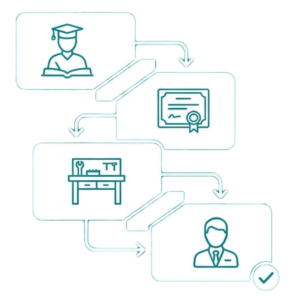
The right starting route depends on the occupation, your previous experience and whether you are already employed. Common routes include:
Apprenticeships
An apprenticeship combines paid employment with structured training. It can provide a direct route into an occupation where a suitable employer and apprenticeship standard are available. To find out what an apprenticeship is and the costs involved, as well as how to employ an apprentice visit these pages:
How do I employ an Apprentice?
College Qualifications
A college course can help you develop technical knowledge and practical skills before applying for employment, further training or an apprenticeship.
Introductory and Foundation Training
Practical introductory training may help you understand a subject, develop initial skills or decide whether a type of work suits you. It does not automatically replace the workplace experience or occupational qualifications required for every role.
Workplace and Competence-Based Routes
People already working in engineering may progress through employer training, workplace assessment or competence-based qualifications. The appropriate route depends on the occupation and the work they are carrying out.
Each career guide explains the routes relevant to that particular role.

Frequently asked questions
Do I need an engineering degree?
Not for every role. Many practical engineering and technical occupations are entered through apprenticeships, college courses, employer training or competence-based qualifications. Degree requirements are more common in some professional engineering occupations, which are outside the main scope of these guides.
Can I start an engineering career through an apprenticeship?
Many engineering occupations have apprenticeship routes, but availability depends on employers, apprenticeship standards and your location. An apprenticeship is a job, so you normally need to find and apply for a suitable vacancy.
Which career is best if I like practical work?
All six careers involve practical work, but in different ways. Electrical work focuses more heavily on wiring, testing and electrical systems. Fitting and lift engineering combine equipment, tools and fault-finding. Machining focuses on accurate production, while fabrication and welding centre on making and joining metal components.
Can adults change career into engineering?
Yes, although the practical route will depend on previous experience, available training and whether workplace competence is required. Career changers should compare the entry routes in each guide rather than assuming that one short course leads to every occupational outcome.
Take Your Next Step
Start by reading the guides for the two or three roles that most closely match your interests. You can then compare the training routes, time commitments and workplace requirements before deciding what to pursue.
You can also explore Elevated Knowledge’s apprenticeships and technical courses or contact the team if you need help identifying a suitable training route.
Engineering Career Guides
Choosing an engineering career is not only about picking a job title. These guides look at apprenticeships, practical skills and newer areas of engineering to help learners and families understand the options and decide what to explore next.
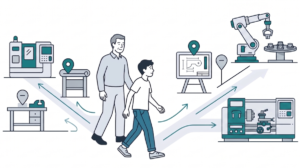
Engineering Apprenticeships After GCSEs: A Parent’s Guide
If your young person is considering engineering after GCSEs, this guide explains what an apprenticeship actually involves and how it compares with college and other routes. It also covers workplace support, safety, entry requirements and the questions families should ask before accepting an opportunity.
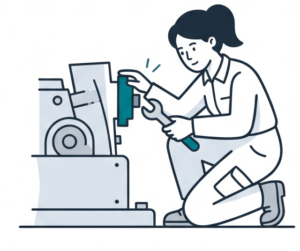
Why Hands-On Engineering Skills Still Matter
Practical engineering is about more than being good with your hands. This guide looks at the technical, digital and workplace skills behind fitting, machining, fabrication, welding and maintenance, and explains how apprenticeships, college courses and workplace training can help you build them.
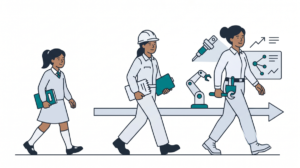
CNC Machining, Robotics and AI Careers
See how practical engineering is changing through CNC machinery, automation, robotics and artificial intelligence. This guide compares the skills involved and the different routes into these careers, including apprenticeships, college, university and shorter technical training.