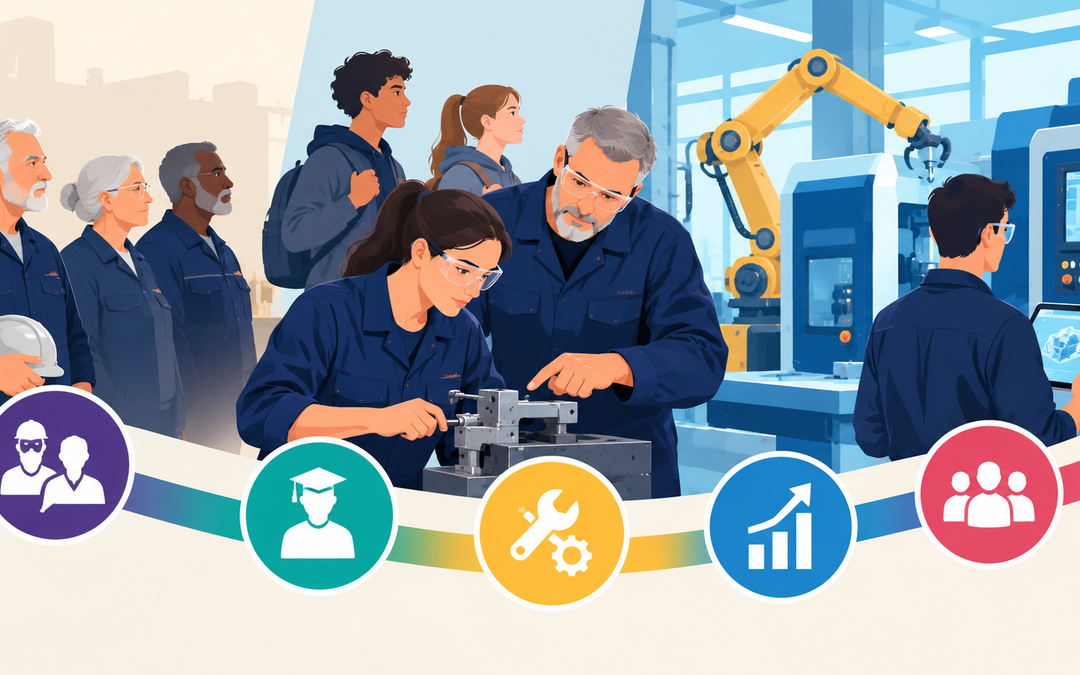
The UK engineering and manufacturing sectors continue to face skills shortages, making it harder for businesses to recruit experienced workers and plan for future growth.
According to Make UK’s 2026 Shape of British Industry report, half of surveyed manufacturers identify skills shortages as their biggest barrier to growth, while 99% say access to skills will influence their future plans.
With experienced engineers retiring and demand for specialist skills increasing, the challenge goes beyond filling vacancies. Businesses need to consider how they’ll develop and retain the skills their workforce will need in the years ahead.
An Ageing Workforce and Changing Engineering Skills Requirements
One of the biggest challenges facing UK engineering is an ageing workforce. As experienced engineers retire, businesses risk losing practical skills and knowledge developed over decades.
Replacing these workers isn’t always straightforward. Roles in machining, welding, fabrication and maintenance require specialist training and hands-on experience, making experienced candidates harder to find.
Attracting younger people into engineering is another challenge, particularly when they may be unaware of the career opportunities available through apprenticeships and technical training.
Meanwhile, industry requirements are changing. Automation, CNC machining and digital manufacturing are creating demand for new skills alongside traditional engineering expertise. Make UK’s 2026 report found that 65% of manufacturers plan major investments in digitalisation and artificial intelligence (AI).
For employers, this creates two challenges: replacing valuable experience while preparing employees for new technology. Addressing both requires more than recruitment. It means investing in people before skills shortages become a problem.
How Are Skills Shortages Affecting UK Engineering and Manufacturing Businesses?
Skills shortages can affect everything from daily production to long-term growth. Without enough skilled engineers, machinists and technicians, businesses may struggle to meet deadlines, maintain equipment or increase production.
Existing teams can also face additional pressure, particularly when experienced employees leave and their responsibilities need to be shared among fewer workers.
Recruiting experienced staff might seem like the quickest solution, but it doesn’t necessarily solve the wider problem. When manufacturers compete for the same skilled workers, recruitment often moves existing talent between businesses rather than increasing the number of skilled people available.
For employers, the question shouldn’t simply be how to fill today’s vacancies, but how to avoid facing the same shortages in three or five years.
This is where workforce planning becomes important. Understanding which employees may retire, where specialist skills are concentrated and what future production plans require can help businesses identify training needs early.
Rather than waiting for gaps to appear, employers can take steps to develop the skills they’ll need before they become difficult to replace.
How Can Engineering Apprenticeships Support Long-Term Workforce Planning?
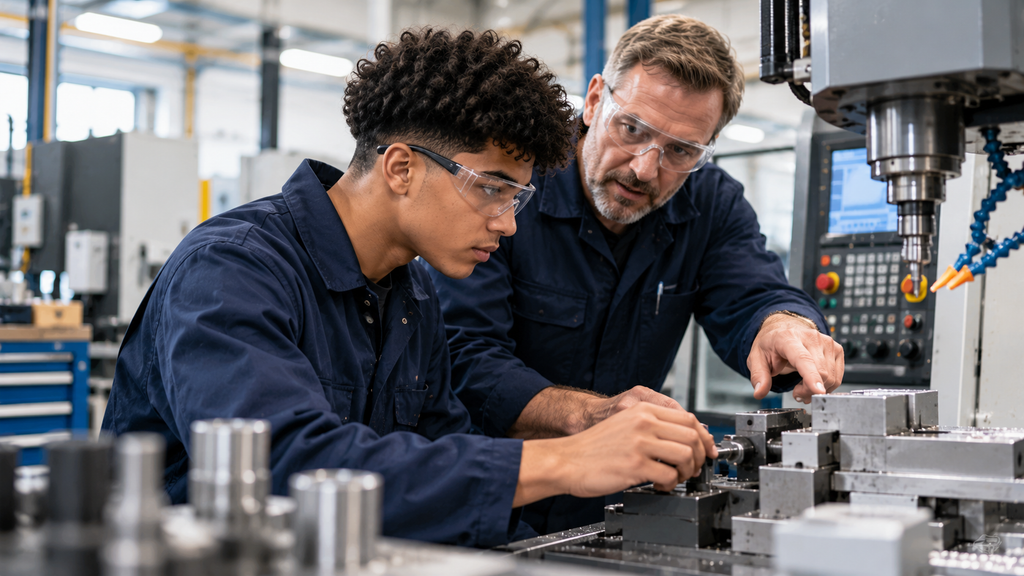
Engineering apprenticeships give businesses a practical way to develop new talent while preparing for future skills requirements.
Instead of relying entirely on experienced hires, employers can recruit individuals with the potential to develop into skilled engineers, machinists, welders and fitters.
Through structured training and workplace experience, apprentices develop technical knowledge alongside the practical skills needed within their employer’s business.
Importantly, apprenticeships also support knowledge transfer. Recruiting an apprentice before an experienced engineer retires creates opportunities for valuable skills and experience to be passed on.
This isn’t just about learning to operate machinery. It’s about understanding production processes, recognising problems, maintaining quality and developing the confidence to work independently.
For employers planning their future workforce, apprenticeships can help:
- Replace retiring skills: Give experienced workers time to pass on their knowledge before leaving.
- Reduce recruitment pressures: Develop talent internally rather than relying solely on experienced candidates.
- Prepare for new technology: Build the skills needed to support changing equipment and processes.
- Support business growth: Train employees for future roles as production requirements change.
- Improve workforce stability: Create a steady pipeline of people developing towards skilled engineering roles.
Apprenticeships are most effective when they’re part of a wider workforce plan, rather than simply a response to an immediate vacancy.
By looking ahead at future staffing needs, employers can recruit apprentices at the right time and give them the training and experience needed to progress into skilled roles.
How are Elevated Knowledge Helping Employers Build Their Future Workforce?
At Elevated Knowledge, we believe addressing the engineering skills gap starts with developing people, not just filling vacancies.
Our engineering apprenticeship programmes help employers take a more planned approach to recruitment and training, whether they’re replacing retiring workers, addressing existing skills shortages or preparing for business growth.
Finding the right candidates is an important part of that process. Our recruitment support includes candidate screening, aptitude testing and interview assistance, helping employers identify individuals with the potential to develop into skilled engineering professionals.
We also help businesses choose suitable apprenticeship pathways based on their workforce requirements.
Our engineering apprenticeship programmes include:
- Machining Technician – developing skills in conventional and CNC machining, precision manufacturing and machine operation.
- Plate Welder – building practical welding skills for engineering and manufacturing environments.
- Metal Fabricator – training apprentices to cut, shape and assemble metal components and structures.
- Engineering Fitter – developing practical fitting and assembly skills for engineering equipment.
- Engineering Maintenance Technician – building the skills needed to maintain equipment, identify faults and support reliable production.
- Lead Engineering Maintenance Technician – developing the technical expertise, strategic planning, and leadership skills needed to lead modern engineering teams.
By combining apprenticeship recruitment with structured technical training, we help employers develop the skills their businesses will depend on in the future.
Building a skilled workforce starts with planning ahead. Explore our engineering apprenticeships or contact the Elevated Knowledge team to discuss your future training and recruitment needs.